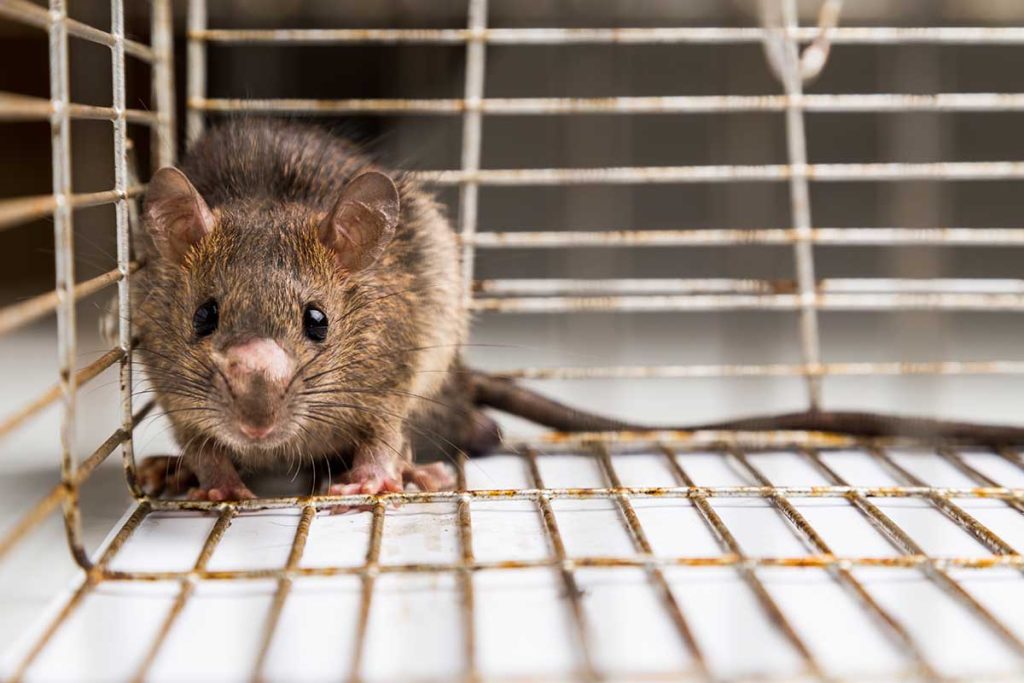
Mice and rats are among the most destructive pests in UK homes, businesses and farm buildings. They gnaw wiring, insulation and timber, contaminate stored food and animal feed, and often stay hidden until the problem escalates. If you’ve noticed droppings, scratching sounds, gnaw marks or grease rub marks, early action prevents repeat infestations and costly damage.

Reduce what attracts them. Keep food sealed in hard containers, clear spillages promptly, and store pet food/animal feed off the floor where possible. Outside, cut back overgrowth near walls, and keep bins closed to limit easy food sources.
Proofing is the long-term win. Seal gaps around pipework, air bricks, doors and damaged mortar, and fit bristle strips or door sweeps where needed. Even small openings can be enough for mice, so a thorough inspection of entry points is essential.
Bed bugs are a growing issue in the UK and can arrive even in clean homes via luggage, guests, second-hand furniture or shared laundry areas. They hide in seams, cracks and soft furnishings, feeding at night and causing bites and irritation. DIY sprays often miss hidden harbourages and can spread activity deeper into the room — professional treatment is usually the fastest way to get control.
We confirm bed bug activity, locate harbourage areas and advise immediate steps to reduce spread (bagging linens, limiting item movement).
Targeted professional treatment for key harbourage zones (often requiring more than one visit). Where suitable, heat-based or combined approaches may be recommended.
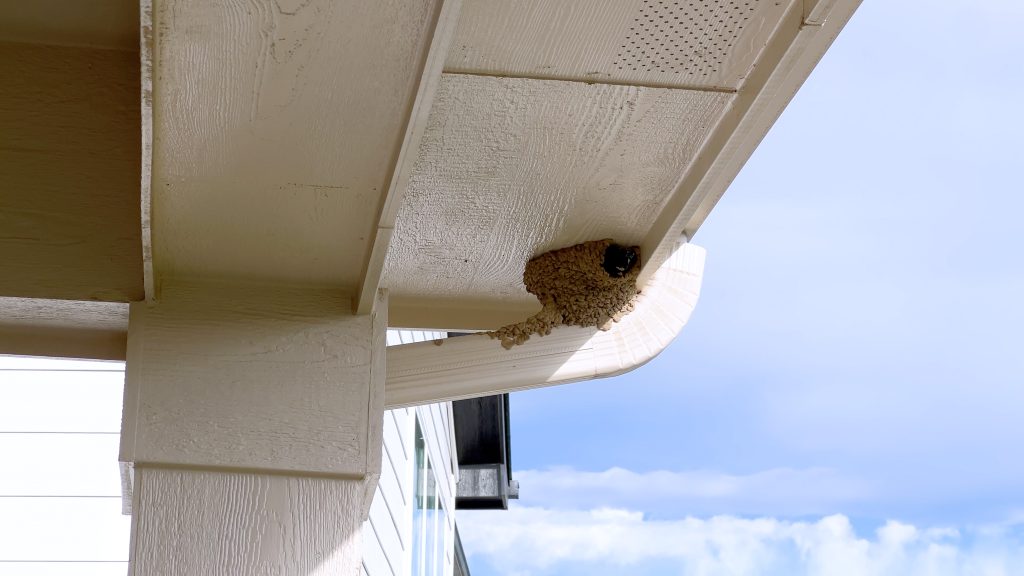
Bird problems typically involve nesting, fouling, noise and blocked gutters or vents, especially around roofs, solar panels, warehouses and farm buildings. Bird droppings can damage surfaces and create hygiene risks. Because many wild birds are legally protected, control must be handled carefully and lawfully, often focusing on proofing and deterrence rather than removal.
We identify the species, entry points and the cause (food sources, roosting ledges, sheltered voids) and confirm what action is legal and appropriate.
Netting, spikes, mesh, access blocking and other deterrent options to prevent roosting and nesting in key areas.
Grey squirrels often enter lofts, outbuildings and roof spaces, where they gnaw timber, wiring and insulation. You may hear loud scratching in the morning, see damage around soffits, or find nesting material in the loft. Because squirrels can cause serious structural and electrical damage, fast investigation and proofing is essential.
We locate access routes, nesting areas and damage hotspots, then explain the safest route to resolution.
Proofing vulnerable points (vents, roof gaps, soffits) and advising on tree/branch management to reduce repeat entry.
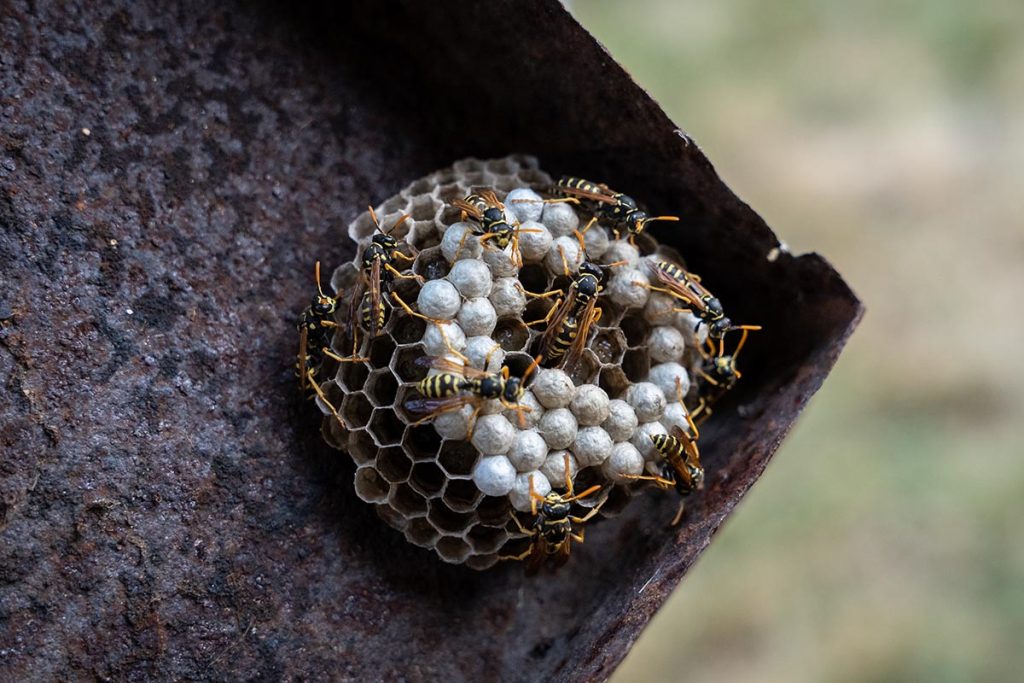
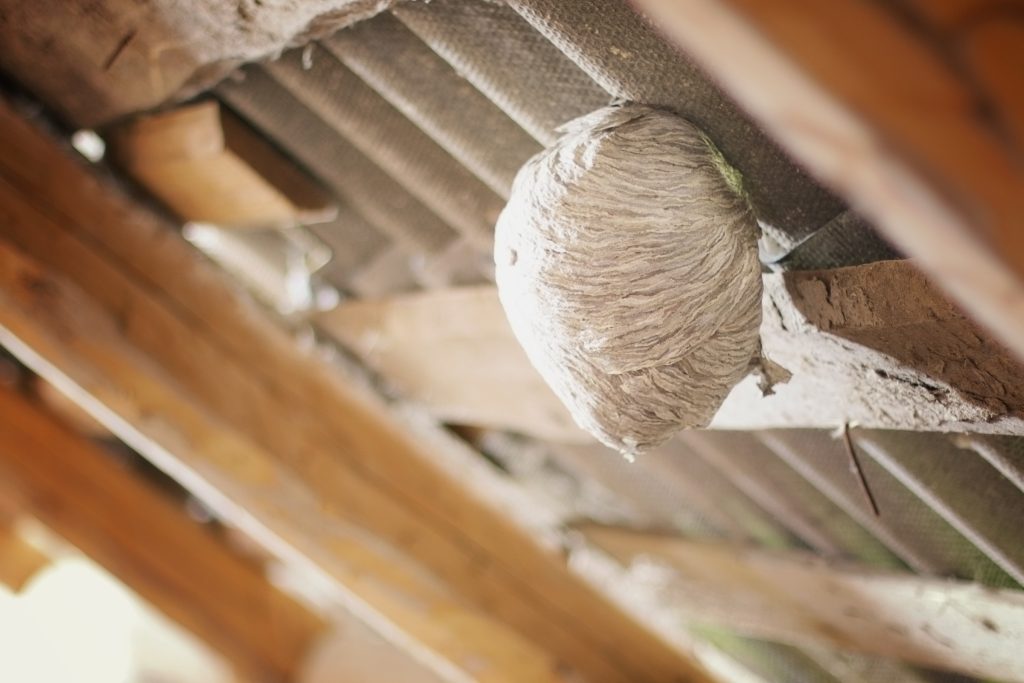
Wasps and hornets become most problematic from late spring through autumn, especially when nests are near doors, lofts, sheds or wall cavities. Disturbing a nest can trigger aggressive defence behaviour and multiple stings. Professional removal is the safest approach, particularly for large nests or hard-to-reach locations.
We confirm nest location, access points and risk level (children, pets, public areas) before treatment.
Professional application using suitable products and methods for the nest type and location, minimising risk to occupants.
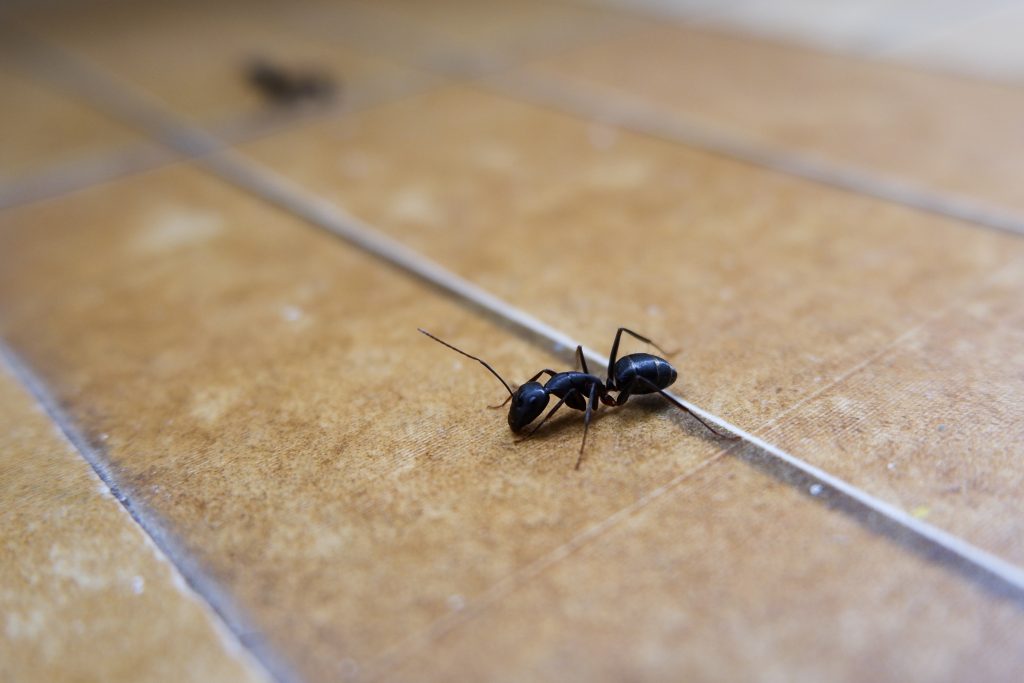
Ants are common in UK homes and businesses, especially in kitchens, patios and around warm foundations. Once they find a food source, they lay scent trails and return in large numbers. Spraying visible ants rarely solves the problem, the colony needs to be targeted, and the trail source removed.
We locate trails, entry points and likely nest sites to stop repeat activity.
Use of baiting and targeted treatment methods designed to disrupt colony activity rather than just killing visible ants.
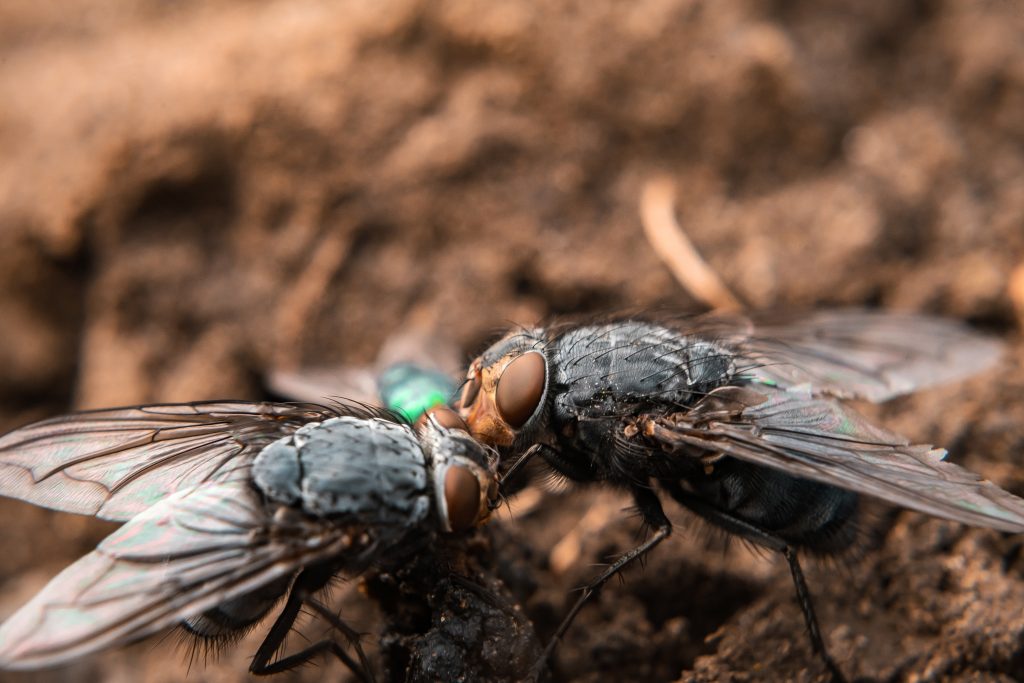
Cluster flies commonly appear in autumn and winter when they seek warm shelter in lofts and wall voids. They often gather around windows and light fittings, causing nuisance and unpleasant odours when disturbed. Vacuuming helps in the short term, but without proofing, they tend to return each year.
We identify likely access routes (vents, eaves, gaps around frames) and harbourage areas.
Appropriate treatment for loft/void areas where activity is concentrated (where suitable and safe for the environment).
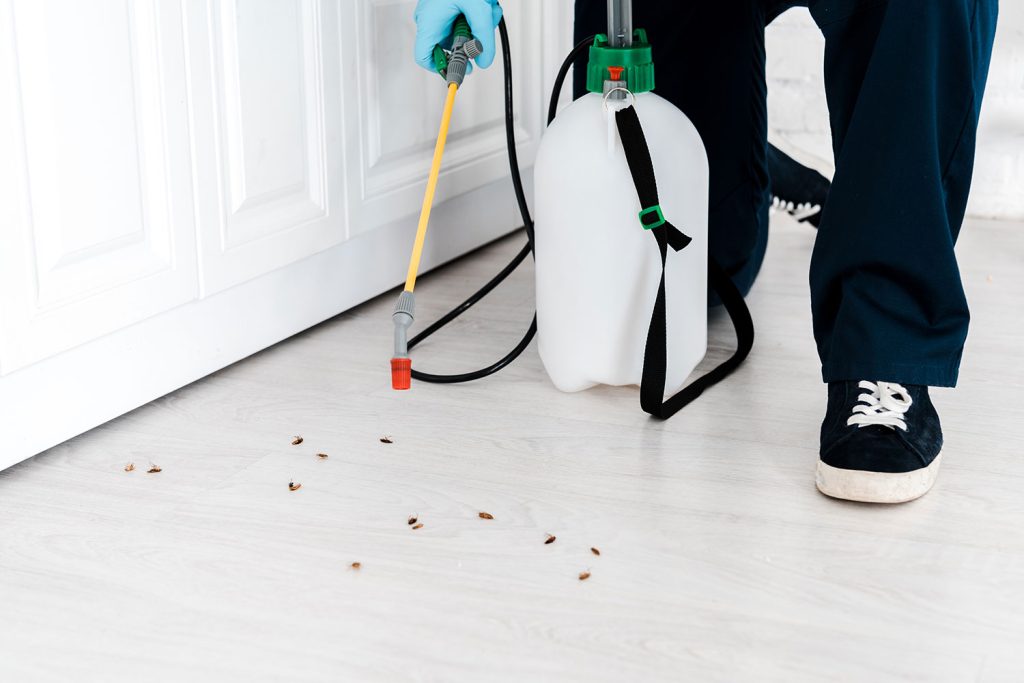
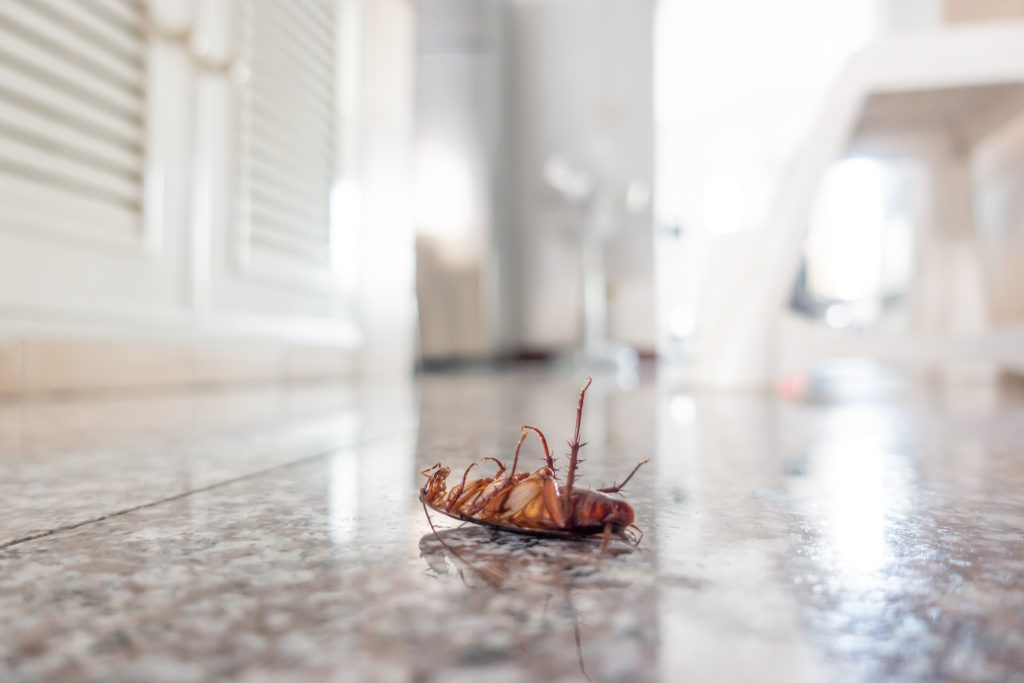
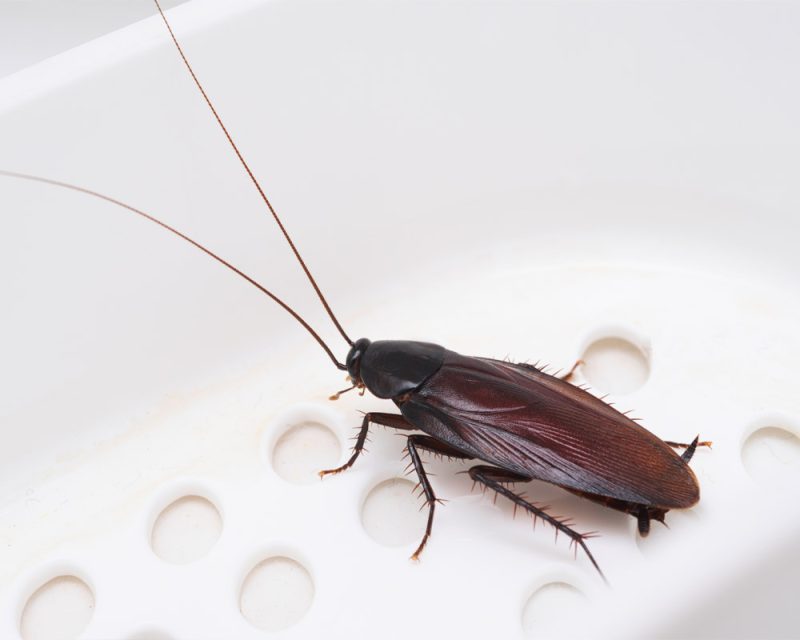
Cockroaches are a high-risk hygiene pest that can spread quickly in warm, humid environments such as kitchens, boiler rooms, commercial premises and multi-occupancy buildings. They hide during the day and come out at night, often remaining undetected until the infestation is established. Fast professional control is essential.
We identify the species, harbourage zones and contributing factors (heat, moisture, hygiene points).
Professional baiting and treatment to reach hidden areas and interrupt breeding cycles, with follow-up where needed.